
 Resource
Meal Planning
This resource guides families in meal planning to support healthy eating habits. It provides step-by-step instructions for planning weekly meals, creating a grocery list, and preparing balanced plates for all meals.
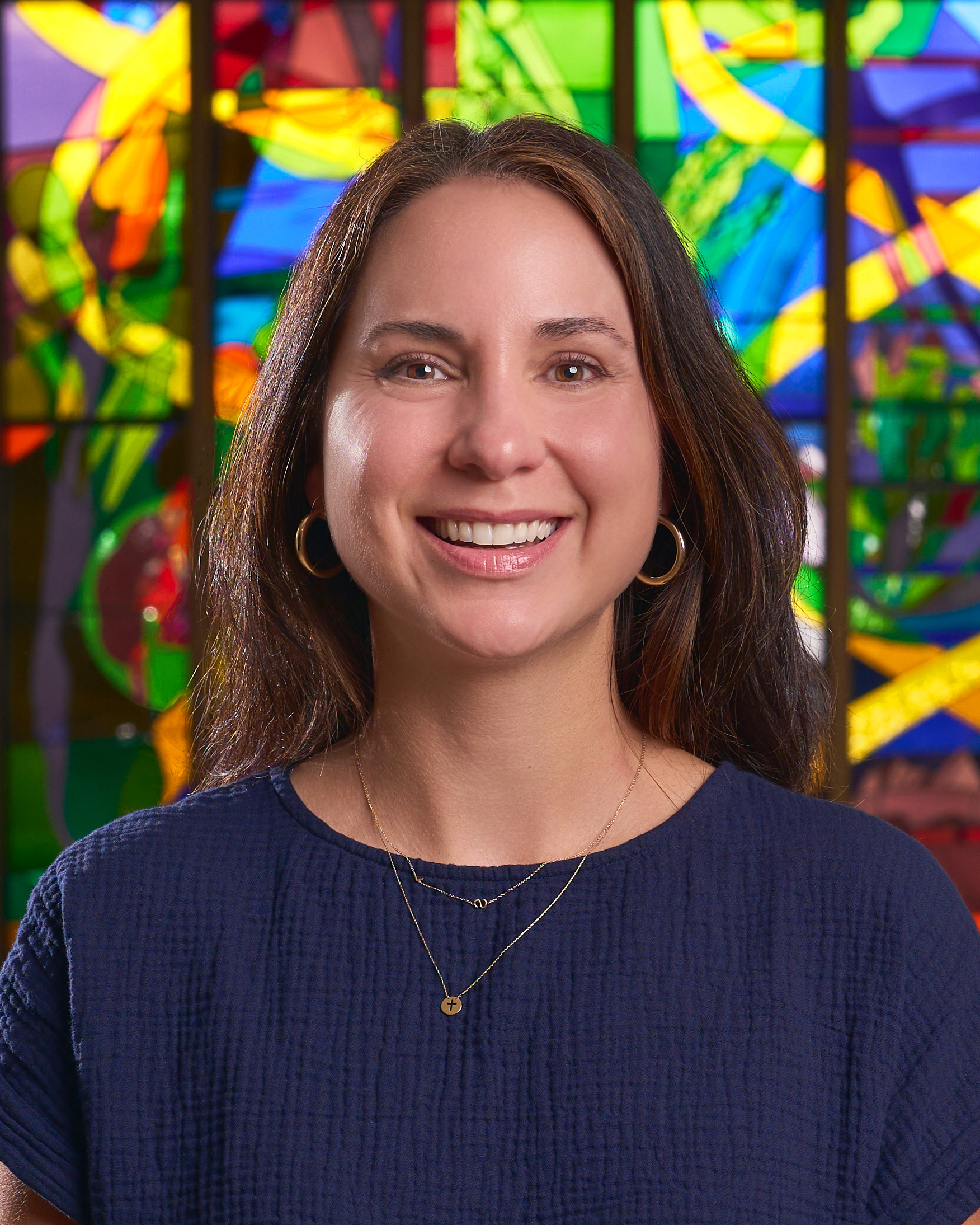

Between school, work, holiday gatherings, and travel, maintaining healthy eating habits can feel challenging. As a Registered Dietitian with Greaux Healthy at Pennington Biomedical Research Center and a mom of two, I know how frazzled the holidays can make me feel.
That’s why as part of the Pennington Biomedical Small Shifts Campaign, I’m sharing three simple ways to help your family build balanced meals, plan ahead, and enjoy the holiday season.
Building a balanced plate means including foods from all food groups for each meal. An easy way to balance a plate without measuring portions (or counting calories) is to use your plate.

You can use this guide during the holidays, but also throughout the entire year. It’s ok if your plate doesn’t look like this at every meal! Balance happens day over day and week over week. If you miss a vegetable at lunch, try to have a little extra at dinner.
As someone who has stared into the fridge at 5 p.m. wondering what to make for dinner, I know a little planning can help make busy evenings less stressful, especially when extra holiday events are on the calendar. Set aside 30 minutes during the weekend to plan your meals and make your grocery list. Add it to your calendar like you would any other appointment. If you need a starting point, try our meal-planning worksheet.
ResourceThis resource guides families in meal planning to support healthy eating habits. It provides step-by-step instructions for planning weekly meals, creating a grocery list, and preparing balanced plates for all meals.
A little planning can help when you’re away from home, too. Having snacks on-hand for busy days can help keep everyone satisfied between meals and reduce the need for last-minute food stops.
In your travel bag:

In an ice chest:

Pairing foods that provide fiber and protein, such as whole grain crackers and cheese or an apple with peanut butter, can help make snacks more satisfying. Choose age-appropriate foods that your child enjoys.
And remember: drink plenty of water! Bring refillable water bottles to fill up on-the-go.
Whether you’re staying home or going on a holiday road trip, take time to plan ahead! Planning meals and snacks takes a little time and effort on the front end but has big payoffs throughout the week!
The big takeaway I want you to leave with is that eating during the holidays doesn’t mean you have to follow any “rules” or avoid your favorite holidays foods. You can enjoy your favorites and build healthy habits without getting every meal just right. I know my holidays wouldn’t feel the same without my grandma’s sweet potato casserole or my mom’s gumbo. Food is nourishing for the body and the soul, so enjoy!
Pennington Biomedical’s Small Shifts Campaign and Greaux Healthy work together to help families build healthier habits one step at a time. At Pennington Biomedical Research Center, we believe that big changes start with small steps. Whether it’s getting more sleep, drinking more water, being physically active, or making healthier food choices, every small shift can lead to big results.
Looking for more ideas? Explore the Greaux Healthy Family Resource Library for practical tools and resources. Follow Greaux Healthy throughout November for more nutrition tips from Pennington Biomedical registered dietitians.

Brooke Schoonenberg, MS, RDN, LDN is a project manager and registered dietitian for Greaux Healthy at Pennington Biomedical. She believes in progress over perfection and loves helping others build healthy, sustainable habits that last a lifetime.

Words Matter: How Weight Stigma Can Affect Children’s Health
Oct 12, 2026 Parents & Families
How to Find Health Information You Can Trust for Your Child
Oct 05, 2026 Parents & Families
Growing Healthy Futures Together: How Louisiana is Turning Childhood Health Research into Action
Sep 29, 2026 Parents & Families